

Vinyl, paper, transparent, labels, bumper, floor, die-cut, and eco-friendly.

Stickers are one of the most powerful yet underestimated branding tools in modern marketing. At Creonix Visuals, we specialize in sticker printing in Nairobi, Kenya, offering businesses, organizations, and individuals an affordable, creative, and effective way to communicate their identity.
From product labels on a bottle of juice, campaign bumper stickers on cars, to die-cut logo stickers given away at events, stickers are everywhere. They are small, portable, and highly versatile, making them one of the most cost-effective tools for brand recognition and promotion.
This comprehensive guide will explore the history of stickers in branding, the different types of stickers available, printing methods, design psychology, industry-specific applications, benefits, ordering process, and common mistakes to avoid. By the end, you’ll see why stickers remain a timeless and innovative medium in marketing and communication.
History of Stickers in Branding
The use of stickers dates back centuries. Early forms were seen in 18th century Europe, where merchants used adhesive papers to label their goods. In the 1940s, with the invention of pressure-sensitive adhesive, stickers became mainstream for commercial use.
In Kenya, sticker printing grew rapidly in the 1990s and 2000s, when local manufacturers and businesses began using stickers for packaging, product identification, and advertising campaigns. Today, stickers are used across industries—from SMEs branding their products to large corporations running promotional campaigns.
Stickers have survived the digital era because they offer something unique: tangibility, portability, and durability. Unlike online ads, a sticker can remain on a laptop, bottle, or car for months, continuing to advertise without recurring costs.
Types of Stickers We Print
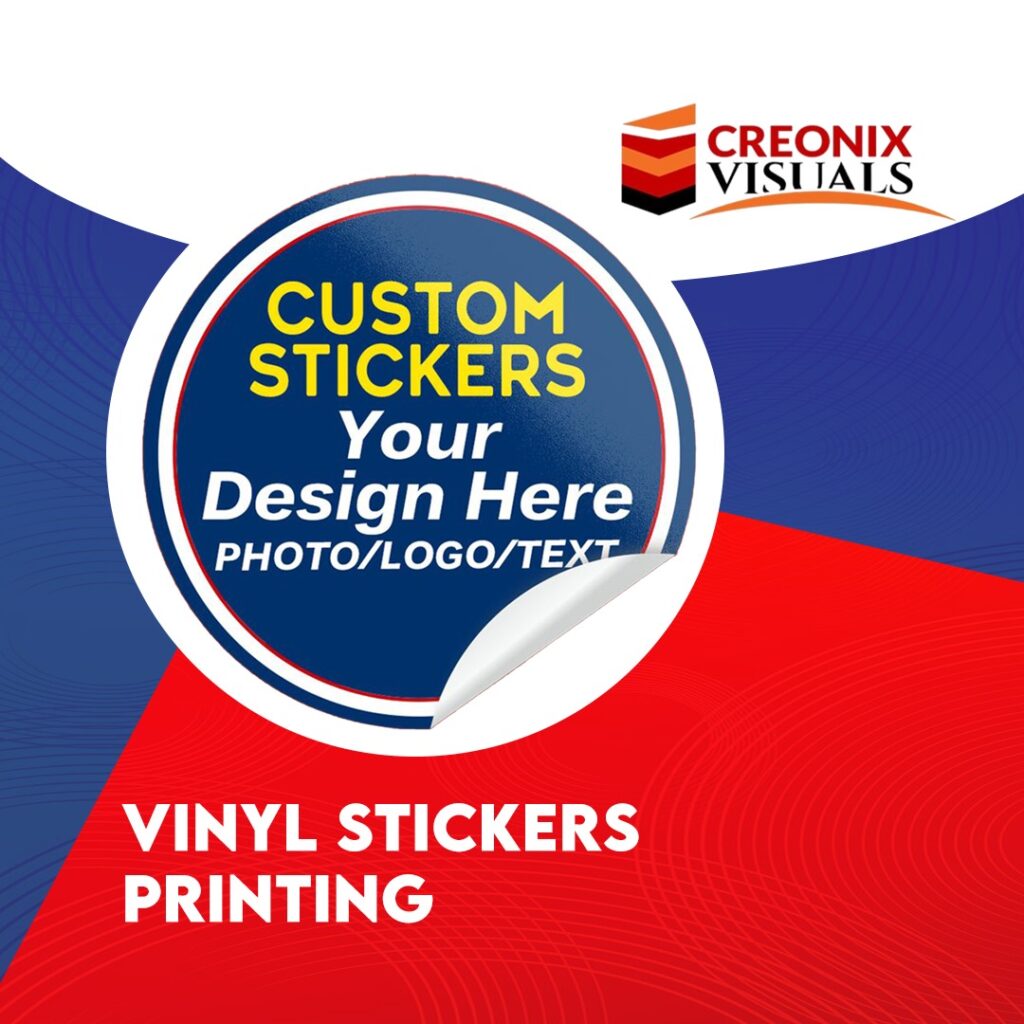
1. Vinyl Stickers
- Waterproof, weatherproof, and long-lasting.
- Ideal for outdoor branding such as cars, motorcycles, and shop windows.
- Resistant to fading and peeling.
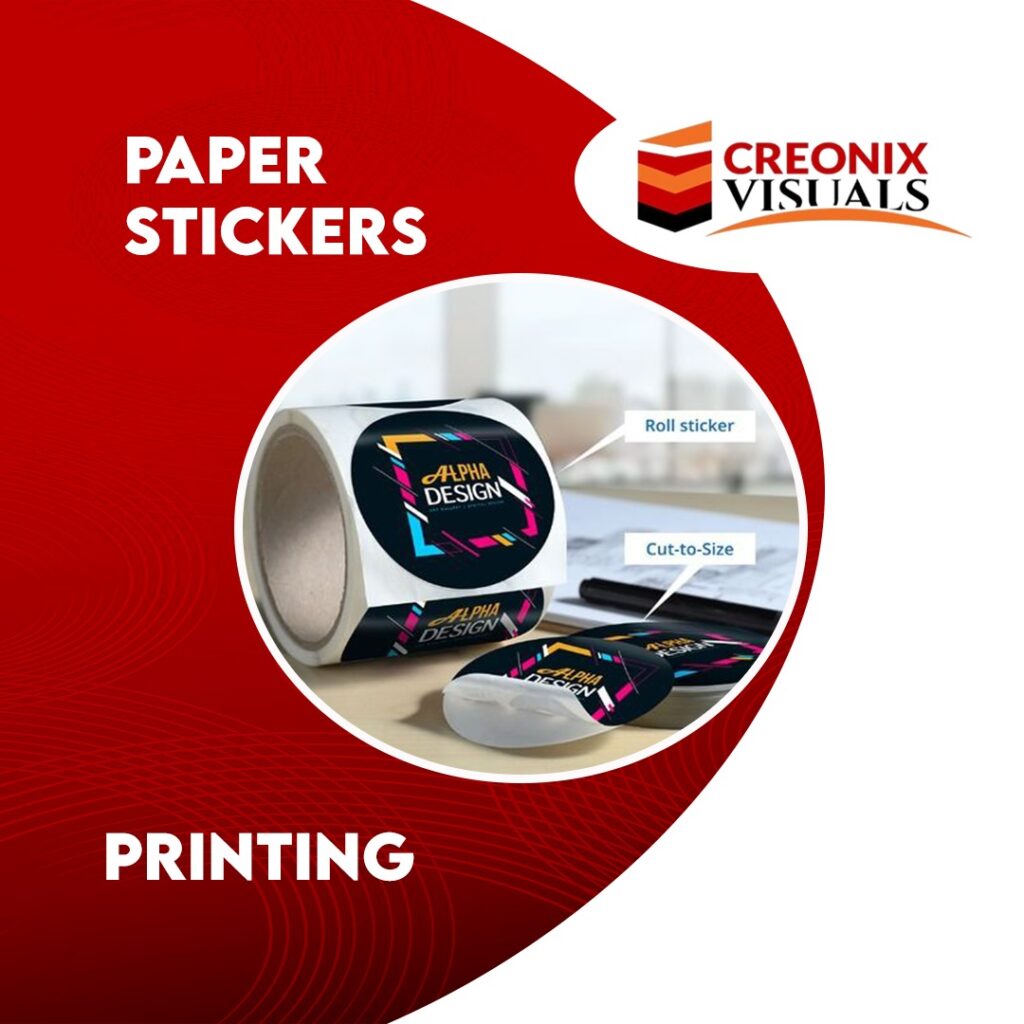
2. Paper Stickers
- Affordable and widely used for packaging.
- Available in matte, glossy, or writable finishes.
- Popular with bakeries, restaurants, and small businesses.
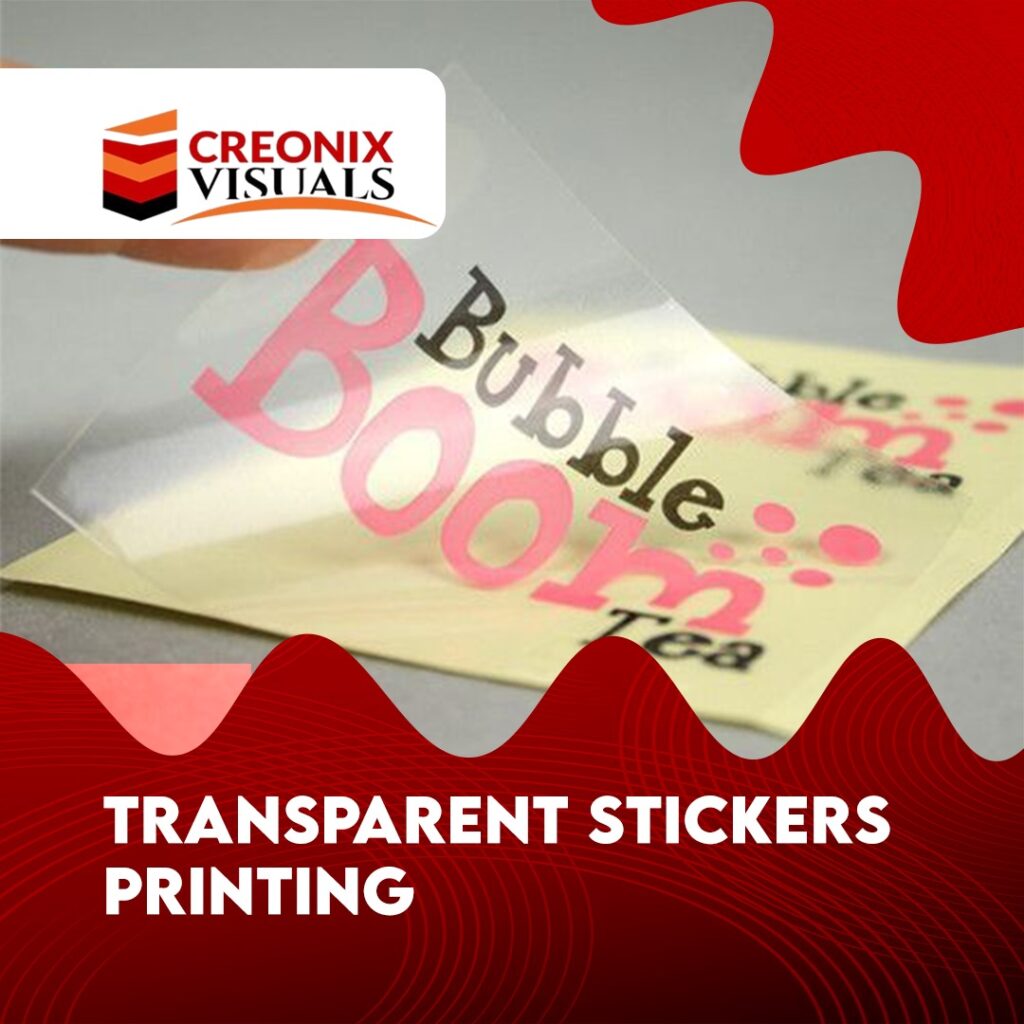
3. Transparent Stickers
- Printed on clear adhesive film.
- Perfect for glass, transparent packaging, or minimalist branding.
- Provides a clean, professional look.
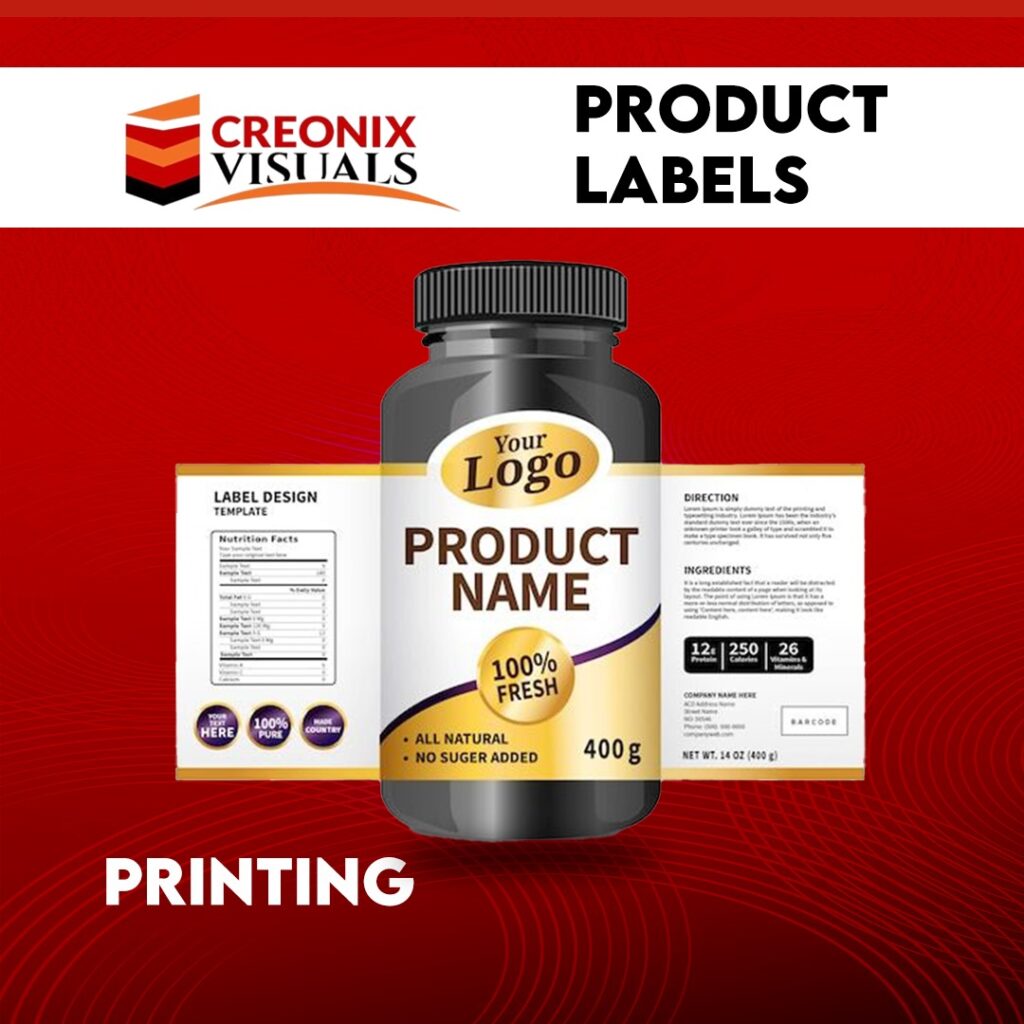
4. Product Labels
- Custom-designed for bottles, jars, cans, and retail packaging.
- Includes food-grade, cosmetic, and pharmaceutical labels.
- Improves compliance and builds trust with consumers.
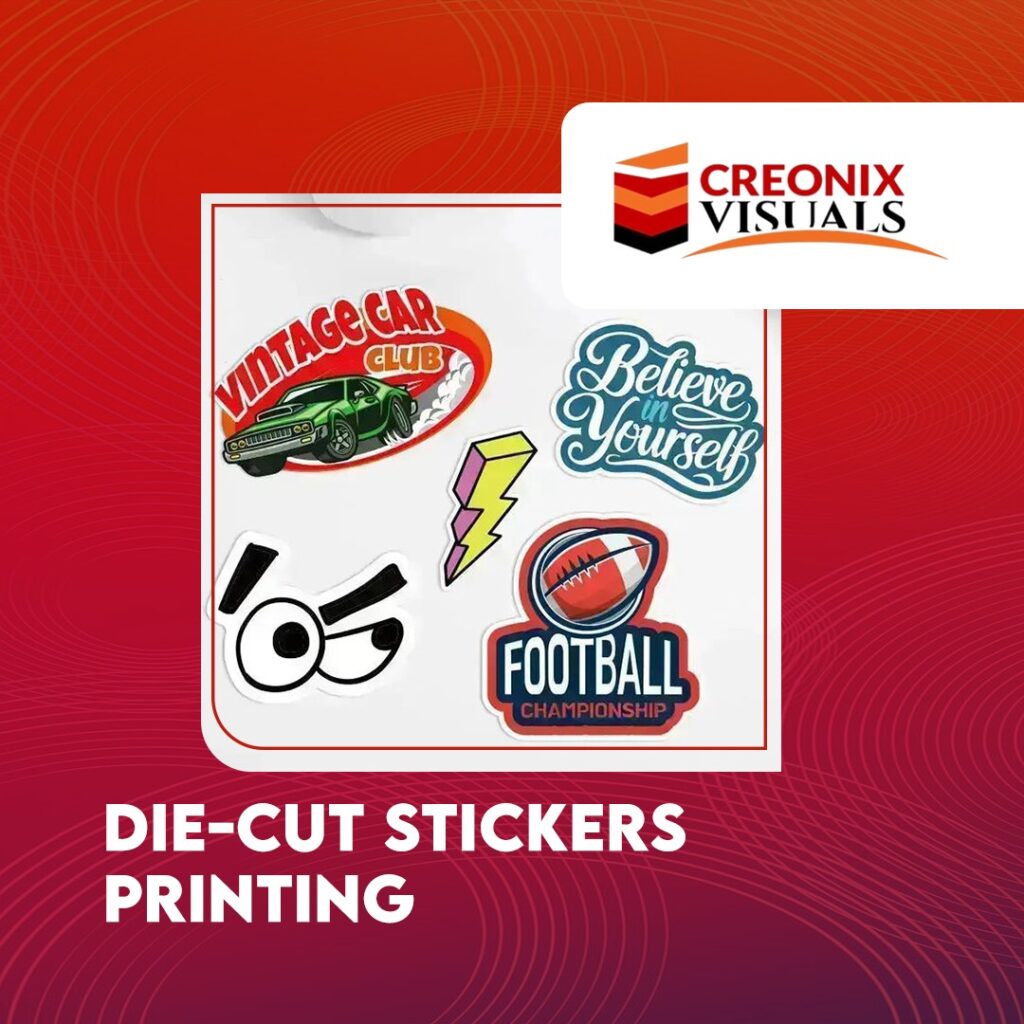
5. Die-Cut Stickers
- Cut into unique shapes rather than standard rectangles.
- Great for logos, mascots, and promotional artwork.
- Used in marketing campaigns, event giveaways, and personal branding.
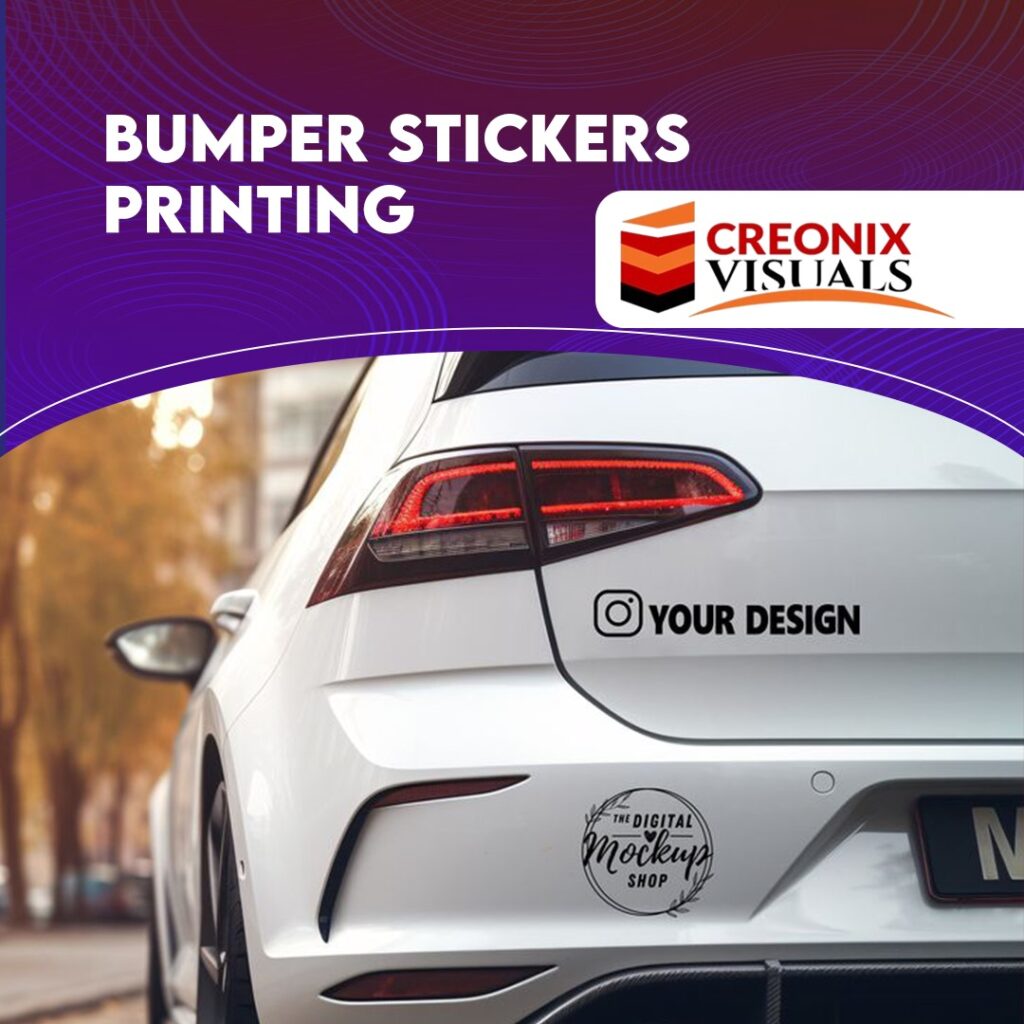
6. Bumper Stickers
- Designed for cars, motorcycles, and buses.
- Durable and weather-resistant.
- Common in political campaigns, activism, and product promotions.
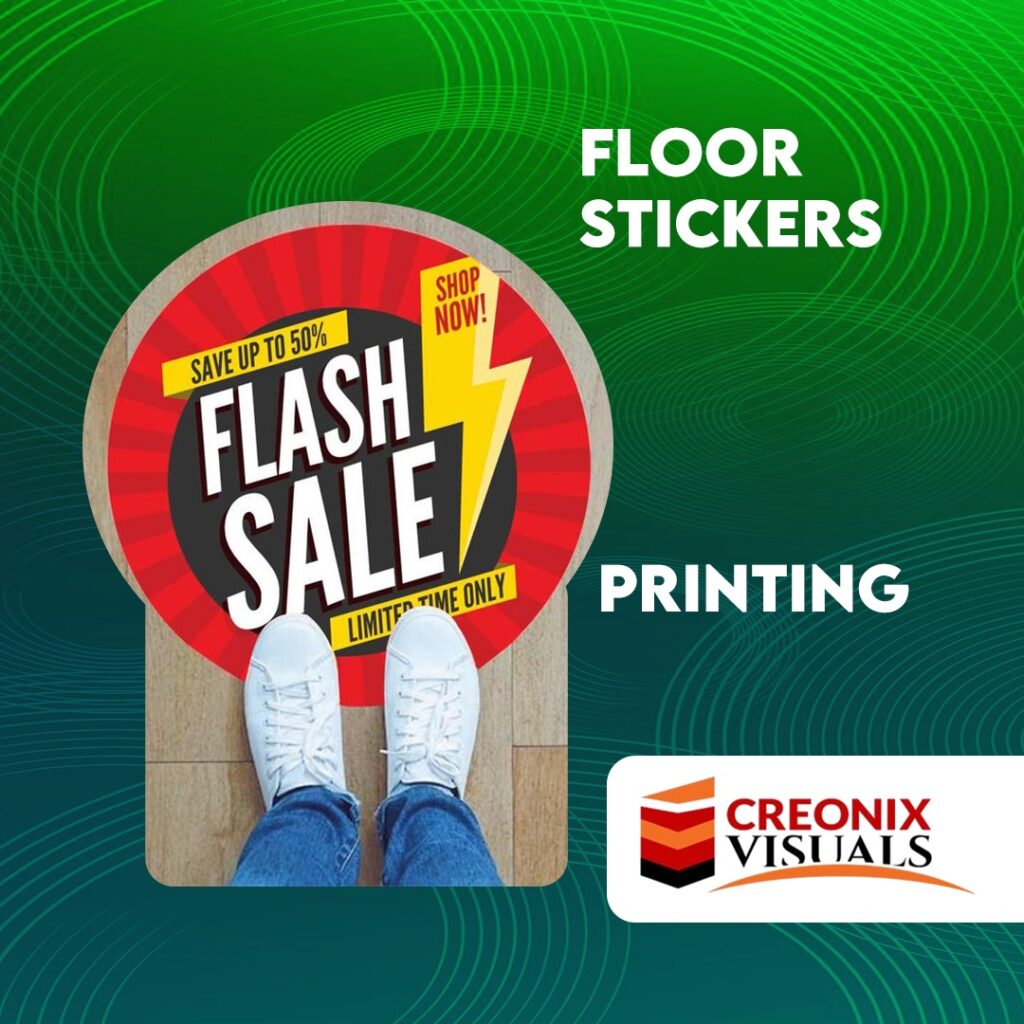
7. Floor Stickers
- Anti-slip and durable for heavy foot traffic.
- Used in supermarkets, events, and offices for branding and directions.
- Popular during COVID-19 for social distancing markers.
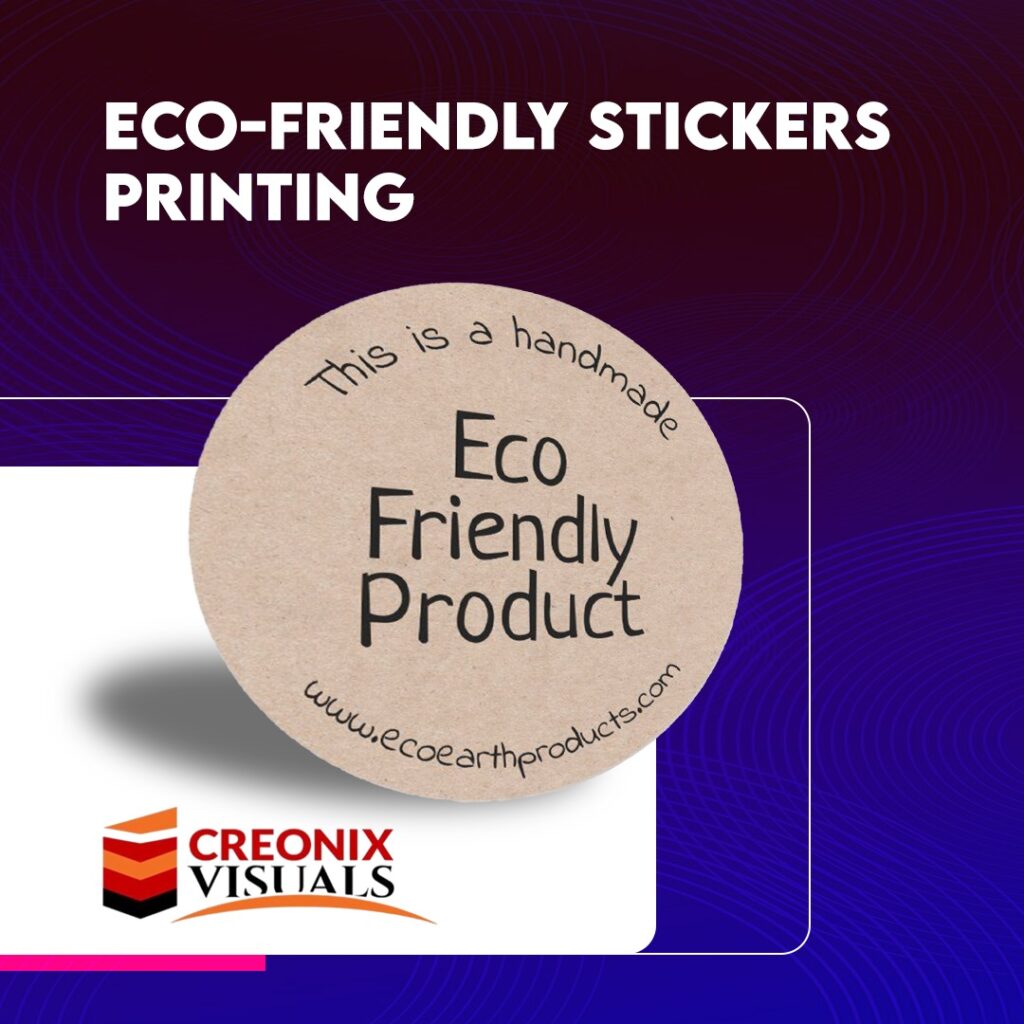
8. Eco-Friendly Stickers
- Printed on recycled, biodegradable, or kraft paper.
- Used by NGOs, sustainable brands, and eco-conscious businesses.
- Supports corporate social responsibility (CSR) initiatives.
Sticker Printing Methods in Detail
Digital Printing
- Best for small to medium runs.
- Full-color, detailed graphics.
- Affordable with quick turnaround.
Offset Printing
- High-quality, consistent colors.
- Ideal for large bulk orders.
- Cost-effective at scale.
Screen Printing
- Used for specialty inks and textures.
- Extremely durable, suitable for outdoor branding.
- Popular for bumper stickers and industrial labeling.
UV Printing
- High-resolution printing with UV-cured ink.
- Weather-resistant and vibrant.
- Perfect for outdoor and long-term use.
Die-Cutting
- Allows custom shapes and contours.
- Makes stickers unique and memorable.
Lamination
- Available in glossy, matte, or velvet finishes.
- Protects stickers from water, scratches, and fading.
The Psychology of Sticker Design
Stickers influence perception through design psychology:
- Colors: Red conveys urgency, blue conveys trust, green conveys eco-friendliness.
- Shapes: Circular stickers feel friendly, while sharp-edged stickers feel strong.
- Textures: Matte feels professional; glossy feels vibrant.
- Simplicity: Clear logos and minimal text are more memorable.
- Novelty: Unique die-cut designs stand out in memory.
Industry-Specific Use Cases
Retail & E-commerce
- Product labels for cosmetics, food, and beverages.
- Branded packaging seals for online deliveries.
Corporate Branding
- Logo stickers for laptops, mugs, stationery, and giveaways.
Events & Campaigns
- Stickers for tickets, giveaways, and promotions.
- Political campaigns use bumper stickers for slogans.
Automotive
- Car decals, bumper stickers, and promotional branding.
Education
- Reward stickers for students.
- ID labels for books and supplies.
NGOs & Sustainability
- Eco-friendly stickers to reinforce green campaigns.
- Awareness campaign stickers for distribution.
Case Studies in Kenya
- SME Juice Brand: Increased recognition by 60% after switching from plain bottles to branded vinyl labels.
- Political Campaign 2022: Thousands of bumper stickers distributed across Nairobi and Mombasa contributed to mass visibility.
- E-commerce Brand: Custom packaging stickers led to 30% increase in repeat orders, as customers perceived packaging as premium.
Benefits of Sticker Printing
- Affordable Marketing Tool – Reach thousands at low cost.
- Portable & Shareable – Easy to distribute at events and shops.
- Customizable – Any size, color, or shape.
- Durability – Vinyl and laminated stickers withstand outdoor exposure.
- Eco-Friendly Options – Recycled materials support sustainability.
- Versatile Applications – Works across industries.
How to Choose the Right Sticker
When selecting stickers, consider:
- Purpose – Indoor vs. outdoor use.
- Material – Vinyl for durability, paper for cost-effectiveness.
- Finish – Glossy for vibrancy, matte for elegance.
- Budget – Bulk offset printing for large orders, digital for small runs.
- Design – Minimalist for corporates, colorful for promotions.
Common Mistakes in Sticker Printing
- Using low-resolution images → leads to blurry prints.
- Wrong material choice → paper stickers used outdoors peel quickly.
- Overcrowded design → difficult to read.
- Ignoring size → stickers too small to see details.
- Not considering background → transparent stickers may vanish on glass.
Ordering Process
- Choose Menu Type – Restaurant, café, bar, takeaway, event.
- Select Paper & Finish – Gloss, matte, textured, or waterproof.
- Submit Content – Provide food list, prices, and branding details.
- Design Mockup – Our team prepares a digital proof.
- Approval – You review and approve before production.
- Production & Delivery – High-quality printing with timely delivery across Kenya.
Design Tips for Effective Stickers
- Keep text minimal.
- Use bold colors for promotions.
- Include a QR code to link to websites.
- Stick to brand identity (colors, fonts, logo).
- Ensure high-resolution artwork to avoid pixelation.
- Test designs with mockups before printing.
FAQs – Sticker Printing
-
Q1: What types of stickers do you print?
-
Q2: Can stickers be printed in custom shapes?Yes, die-cutting allows any shape or size.
-
Q3: Are stickers waterproof?Yes, vinyl and laminated stickers are weather-resistant.
-
Q4: Can you print product labels?Yes, we design and print custom product packaging labels.
-
Q5: What’s the minimum order quantity?Minimum is 100 stickers, with discounts for bulk.
-
Q6: Do you print stickers with company logos?Yes, custom logo and branding stickers are our specialty.
-
Q7: How long does printing take?5–7 business days standard, express available.
-
Q8: Do you provide eco-friendly stickers?Yes, printed on recycled or biodegradable materials.
-
Q9: Can stickers be used outdoors?Yes, vinyl and laminated stickers withstand outdoor weather.
-
Q10: Do you deliver across Kenya?Yes, delivery is available nationwide.