
In today’s competitive marketplace, customers have more choices than ever before.
Whether they are looking for a service provider, a retail store, a construction company, a school, a hospital, or a corporate partner, they often make decisions based on one critical factor before anything else:
Trust.
The challenge is that trust is not built overnight.
Before customers experience your products or services, they first experience your brand.
And one of the most powerful elements of your brand is your visual identity.
The way your business looks influences how people feel about it. A professional visual identity can communicate reliability, credibility, quality, and confidence before a single conversation takes place.
At Creonix Visuals, we help businesses across Kenya build trusted brands through professional signage, vehicle branding, office branding, promotional merchandise, apparel branding, packaging solutions, digital printing, and corporate branding services.
we’ll explore the role visual identity plays in building trust and why it is one of the smartest investments any business can make.
What Is Visual Identity?
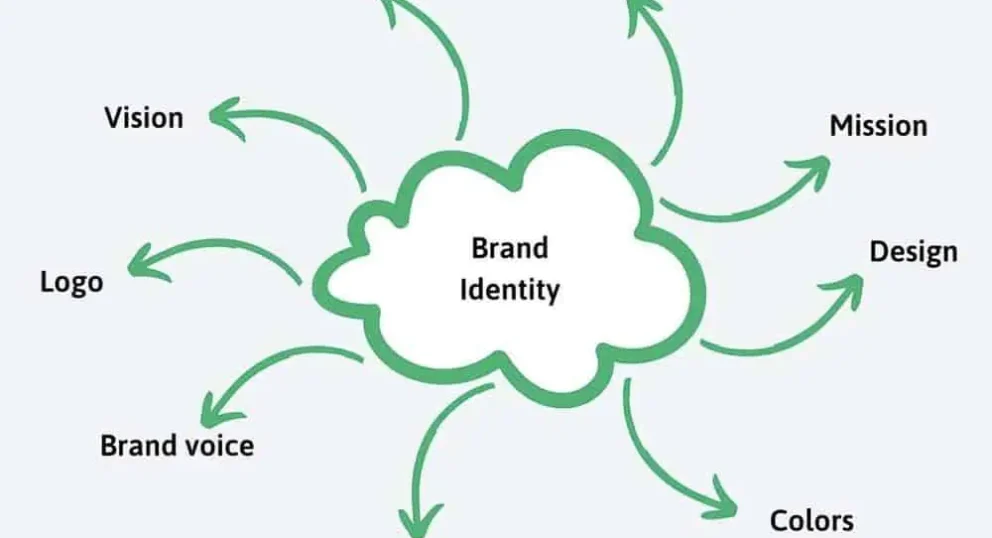
Visual identity refers to the collection of visual elements that represent a brand.
These elements work together to create a recognizable and memorable image in the minds of customers.
A strong visual identity typically includes:
- Logo
- Brand colors
- Typography
- Imagery
- Graphic elements
- Signage
- Uniform branding
- Vehicle branding
- Packaging
- Marketing materials
- Office branding
Visual identity is essentially how customers “see” your business.
It is often the first interaction people have with your brand.
Why Trust Is Important in Business
Customers naturally prefer businesses they trust.
Trust influences:
- Purchasing decisions
- Customer loyalty
- Referrals
- Brand reputation
- Long-term growth
When customers trust a business, they are more likely to:
- Buy products
- Request services
- Recommend the company
- Return for future purchases
Without trust, even the best products and services may struggle to gain traction.
Visual identity helps establish that trust from the very beginning.
First Impressions Shape Trust
Research consistently shows that people form opinions quickly.
When a potential customer encounters your business, they immediately evaluate:
- Professionalism
- Credibility
- Reliability
- Quality
- Attention to detail
These judgments are often based on visual cues.
For example:
A company with professional signage, branded uniforms, a clean office environment, and high-quality marketing materials is more likely to inspire confidence than a company with inconsistent branding and poor presentation.
Visual identity helps shape these first impressions.
And first impressions often become lasting impressions.
Visual Identity Creates Recognition
Trust grows through familiarity.
Customers are more likely to trust brands they recognize.
This is why consistent visual branding is so important.
When people repeatedly see the same:
- Logo
- Colors
- Typography
- Signage
- Packaging
- Marketing materials
they begin to remember the brand.
Over time, recognition becomes familiarity.
Familiarity becomes trust.
Trust becomes customer loyalty.
Strong visual identity helps accelerate this process.
The Psychology Behind Visual Branding
Human beings are highly visual.
Studies suggest that people process visual information significantly faster than text.
Before customers read your company profile or learn about your services, they notice:
- Colors
- Shapes
- Layouts
- Signage
- Branding materials
These visual elements influence emotional responses.
For example:
Professional Design
Communicates competence and credibility.
Consistent Branding
Creates stability and reliability.
High-Quality Materials
Suggest attention to detail.
Organized Presentation
Builds confidence.
Visual identity affects how customers feel about a business before they fully understand what it does.
Key Visual Identity Elements That Build Trust
1. Professional Logo Design
Your logo serves as the face of your business.
It appears on:
- Signage
- Vehicles
- Uniforms
- Marketing materials
- Packaging
- Digital platforms
A professional logo should be:
- Memorable
- Versatile
- Simple
- Relevant
- Scalable
An outdated or poorly designed logo can weaken credibility.
A strong logo strengthens brand perception.
2. Consistent Brand Colors
Colors influence emotions and perceptions.
Consistent color usage helps customers instantly recognize your brand.
Businesses that maintain consistent color schemes across all touchpoints appear more organized and professional.
Color consistency should extend to:
- Signage
- Vehicles
- Packaging
- Printed materials
- Uniforms
- Promotional merchandise
3. Professional Signage
Signage is one of the most visible elements of your visual identity.
For many customers, it is their first interaction with your brand.
Professional signage communicates:
- Stability
- Credibility
- Professionalism
- Visibility
At Creonix Visuals, we help businesses create impactful indoor and outdoor signage solutions that strengthen brand recognition and customer confidence.
4. Vehicle Branding
Company vehicles serve as mobile brand ambassadors.
Professional vehicle branding:
- Increases visibility
- Improves recognition
- Reinforces trust
- Expands reach
A professionally branded fleet often makes a company appear larger, more organized, and more established.
5. Uniform and Apparel Branding
Customers often judge businesses based on employee appearance.
Branded uniforms help communicate:
- Professionalism
- Consistency
- Reliability
- Organization
Whether it’s corporate shirts, branded polos, safety wear, or event apparel, consistent uniform branding strengthens visual identity.
6. Office Branding
Your office environment reflects your brand.
Visitors notice:
- Reception branding
- Wall graphics
- Directional signage
- Meeting room branding
- Glass branding
Professional office branding creates a cohesive customer experience and reinforces trust.
7. Printed Marketing Materials
Printed materials continue to play an important role in business communication.
These include:
- Business cards
- Company profiles
- Flyers
- Brochures
- Catalogues
- Presentation folders
High-quality printing reflects professionalism and attention to detail.
Poor-quality printing can undermine credibility.
8. Packaging Design
For product-based businesses, packaging is a critical component of visual identity.
Customers often judge products based on packaging before experiencing what’s inside.
Professional packaging:
- Builds trust
- Enhances perceived value
- Increases recognition
- Supports customer loyalty
Packaging should align with the overall visual identity of the brand.
9. Promotional Merchandise
Promotional products extend your visual identity into everyday life.
Examples include:
- Mugs
- Pens
- Water bottles
- Notebooks
- Tote bags
- Corporate gifts
Consistent branding on promotional items increases visibility and reinforces trust over time.
How Inconsistent Visual Identity Damages Trust
Many businesses unintentionally weaken their brands through inconsistency.
Examples include:
- Different logo versions
- Conflicting colors
- Low-quality signage
- Unbranded vehicles
- Inconsistent uniforms
- Poor printing quality
These inconsistencies create confusion.
Confused customers often hesitate to trust a business.
Strong visual identity requires consistency across every customer touchpoint.
Visual Identity and Business Growth
Businesses with strong visual identities often experience:
Increased Recognition
Customers remember the brand more easily.
Stronger Customer Trust
Professional presentation inspires confidence.
Better Marketing Results
Consistent branding improves campaign effectiveness.
More Referrals
Recognizable brands are easier to recommend.
Higher Perceived Value
Professional businesses often command greater respect and attention.
Visual identity is not just a design consideration.
It is a business growth strategy.
How Creonix Visuals Helps Businesses Build Trusted Brands
At Creonix Visuals, we help businesses create powerful visual identities that support growth and customer trust.
Our solutions include:
Signage Solutions
Indoor and outdoor branding designed for maximum visibility.
Vehicle Branding
Professional fleet and vehicle graphics.
Promotional Merchandise
Custom branded products that increase recognition.
Apparel Branding
Professional uniforms and branded workwear.
Office Branding
Workplace branding that enhances customer experiences.
Digital Printing
High-quality brochures, flyers, company profiles, banners, and marketing materials.
Packaging Design
Packaging solutions that strengthen product presentation and customer trust.
Asset Tagging Solutions
Professional identification and asset management systems.
By ensuring consistency across all branding touchpoints, we help businesses create stronger and more trusted brands.
Conclusion
Trust is one of the most valuable assets any business can build.
And visual identity plays a critical role in earning that trust.
Customers often form opinions about a business long before they experience its products or services.
Through professional logos, signage, vehicle branding, office branding, uniforms, packaging, promotional merchandise, and marketing materials, businesses can create positive impressions that inspire confidence.
A strong visual identity helps customers recognize your brand, remember your business, and trust your organization.
At Creonix Visuals, we help businesses across Kenya develop professional visual identities that strengthen credibility, improve recognition, and support long-term growth.
Because when customers trust what they see, they are more likely to trust who you are.
Frequently Asked Questions
1. What is visual identity in branding?
Visual identity is the collection of visual elements such as logos, colors, typography, signage, packaging, and marketing materials that represent a business.
2. Why is visual identity important?
Visual identity helps businesses build recognition, trust, and credibility while supporting marketing efforts.
3. How does visual identity influence trust?
Professional and consistent branding communicates reliability, competence, and attention to detail.
4. What are the key components of visual identity?
Logos, colors, typography, signage, uniforms, packaging, vehicle branding, office branding, and printed materials.
5. How does signage contribute to visual identity?
Signage increases visibility and often creates the first impression customers have of a business.
6. Why is consistency important in visual branding?
Consistency improves recognition and helps customers remember and trust a brand.
7. Can visual identity affect sales?
Yes. Strong visual identity improves customer confidence and positively influences purchasing decisions.
8. How do branded uniforms support visual identity?
Uniforms reinforce professionalism and ensure employees represent the brand consistently.
9. What role does packaging play in branding?
Packaging shapes customer perceptions and helps products stand out in the market.
10. Why choose Creonix Visuals?
Creonix Visuals offers comprehensive branding solutions including signage, vehicle branding, office branding, apparel branding, promotional merchandise, digital printing, packaging design, and asset tagging services that help businesses build trusted and recognizable brands.